
Knowing what to look for when choosing a custom home builder in Greenbank can save you from costly mistakes and years of frustration. The process of building a custom home is one of the largest financial and personal commitments most families will ever make, and the builder you choose determines almost everything — from how smoothly the construction runs to whether the finished home actually reflects how you want to live. This guide cuts through the noise and gives you a practical checklist of what genuinely matters when you’re evaluating builders in the Greater Brisbane area.
Verify Licensing, Insurance, and Industry Standing
In Queensland, any builder constructing a new home must hold a current QBCC (Queensland Building and Construction Commission) licence. This is non-negotiable. Before you have a single design conversation, ask any builder you’re considering for their QBCC licence number and verify it on the QBCC public register. This takes two minutes and immediately separates serious operators from anyone cutting corners.
Beyond the base licence, check whether the builder carries the required home warranty insurance. In Queensland, builders are required to provide home warranty insurance for residential construction projects above a certain contract value. This insurance protects you if the builder becomes insolvent, dies, or disappears before completing the project, as well as covering certain defects after handover.
Years in Business Matters More Than You Think
A builder who has been operating for a decade or more has survived market cycles, supplier disruptions, and the kind of unexpected site challenges that catch newer operators off guard. Wister Homes Custom Builder has been a licensed new home builder since 2006 — that’s nearly two decades of building custom-designed homes across Greater Brisbane, including the Greenbank corridor. That track record means established relationships with subcontractors, proven build processes, and genuine accountability.
Assess Their Approach to Custom Design
Not every builder who uses the word “custom” actually builds to your brief. Some operate on a spec model — they offer a catalogue of plans and make minor modifications. That’s not custom design; it’s a selection exercise. A genuine custom home builder starts with your block, your family’s daily routines, your priorities for indoor-outdoor flow, storage, natural light, and future-proofing, then creates a design around those inputs.
Design Flexibility and Lifestyle Fit
Ask builders directly: do you design from scratch, or do you modify existing plans? Can you work with our lot size and orientation? What happens if our site has slope, easements, or vegetation overlays? A builder who hesitates on these questions or steers you back toward a template is not offering a genuinely custom service.
The best custom builders involve you in key design decisions from the very first meeting — not just finishes and fixtures, but spatial planning, ceiling heights, room orientations, and how the home sits on the land. This level of involvement produces homes that actually suit how people live rather than homes that look impressive in a display village but feel generic once you move in.
Local Knowledge Specific to Your Block
Greenbank sits in the foothills south of Brisbane, with a mix of acreage lots, sloped terrain, and varying soil classifications. A builder with local experience will understand what a reactive clay site means for your slab design, how to orientate a home for passive cooling in southeast Queensland’s climate, and how to navigate Logan City Council’s planning requirements efficiently. This knowledge directly affects build quality, timeline, and your overall experience.
Understand What Happens On Site — The Build Process in Practice
Many homeowners sign a contract and then feel completely in the dark once construction starts. A builder worth working with should be able to walk you through the entire build sequence before you commit — not in vague terms, but with real detail about what happens at each stage and when you’ll be consulted.
Key Stages of a Custom Home Build
- Site preparation and earthworks: Clearing, levelling, and setting up for the slab or footings. On sloped or vegetation-sensitive blocks, this stage requires careful planning and council compliance.
- Slab or subfloor construction: The engineer-designed slab is poured to match your site’s soil classification — this isn’t a one-size-fits-all stage. Quality here is foundational to everything above it.
- Frame: Wall frames and roof trusses go up, typically in timber or steel depending on your design. At this point the shape of your home becomes real.
- Lock-up: Windows, external doors, roofing, and cladding are installed. The home becomes weathertight.
- Fit-out: Internal linings, cabinetry, plumbing, electrical rough-in, insulation, and plastering. This is where the interior starts to take form.
- Practical completion: Finishing trades — painting, tiling, floor coverings, fixtures and fittings, landscaping connections. The final inspection and handover occur at this stage.
Ask your builder how often they will be on site personally versus delegating to a supervisor. Ask who your single point of contact will be throughout the build and how frequently you’ll receive progress updates. These aren’t unreasonable questions — they’re standard expectations for a construction contract of this scale.
Structural Warranties and Defect Periods
Under Queensland law, builders must provide a defect liability period after handover during which they’re responsible for fixing defects. Structural defects carry longer warranty obligations under QBCC home warranty insurance. Make sure you understand what’s covered, for how long, and what the process is if something goes wrong after you move in.
Evaluate Communication and Transparency
Build quality is vital, but so is the experience of actually working with a builder across a project that may take twelve months or more. Poor communication is consistently cited as the number one frustration among homeowners who’ve had a difficult build experience — not defects, but feeling left in the dark.
What Good Communication Looks Like
Before you sign anything, assess how the builder communicates with you. Do they return calls and emails promptly? Do they give you direct answers or vague reassurances? Do they proactively mention potential complications, or do you have to drag information out of them? The builder who is straightforward about challenges during the sales process will be the same builder who calls you promptly when an issue arises on site.
Ask to speak with two or three past clients — not references that the builder has pre-screened and coached, but genuine conversations where you can ask specific questions: Were timelines met? How were variations handled? Would you use this builder again? Real answers to these questions tell you more than any website testimonial.
Transparency in Contracts and Variations
Your contract should clearly set out the full scope of work, inclusions, exclusions, and the process for managing variations. Variations — changes to the original scope during construction — are where budget blowouts most commonly occur. A reputable builder will document every variation in writing with a cost and timeline impact before proceeding, not surprise you with an invoice at the end.
Red Flags to Watch For
Not every builder presents obvious warning signs. Some of the most problematic engagements start with a builder who seems confident and well-presented. Watch for these specific patterns:
- Unusually fast contract pressure: Any builder pushing you to sign before you’ve had time to review documentation is not operating in your interest.
- Vague inclusions: If the contract lists “quality fittings” or “standard finishes” without specification, you have no protection when the builder interprets those terms differently to you.
- Reluctance to provide references: A builder with a strong track record is happy to connect you with past clients.
- No fixed-price contract offered: For new home builds, a fixed-price contract provides cost certainty. While variations can alter the final amount, the base contract should be clearly priced.
- QBCC licence issues: Any expired, suspended, or conditional licence status on the QBCC register is a serious warning sign.
Starting Your Custom Build Journey
The right custom home builder doesn’t just construct a house — they help you create a home that suits your family’s life for decades. Choosing well at the start means fewer surprises during the build and a better outcome at handover. Take the time to ask the right questions, verify credentials, and assess fit before committing.
Wister Homes Custom Builder has been designing and building custom homes across Greater Brisbane since 2006. If you’re planning a new home build and want to talk through your block, your brief, and what a genuinely custom process looks like, get in touch with the team at Wister Homes for an obligation-free conversation about your project.
Related posts:

Independent Builder Brisbane

affordable home builders Wynnum
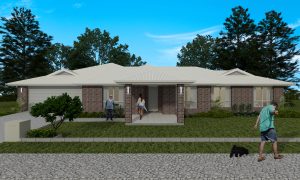
306 Willowvale Home Design
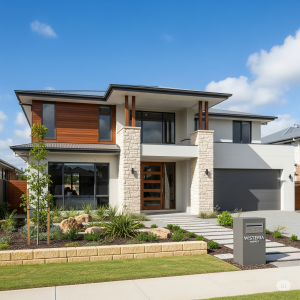
Understanding the Local Expertise of Regional Home Building Companies
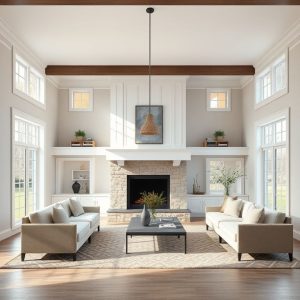
transparent pricing custom home builders Acacia Ridge
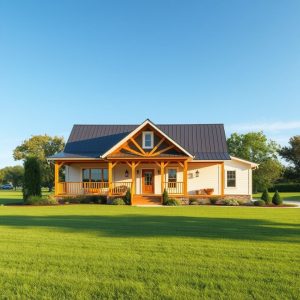
single-story country style homes large blocks
Woodridge downsizing home builders
How Custom New Home Builders Manage Subcontractors: A Comprehensive Guide
Frequently asked questions
Does a custom home builder in Queensland need a specific licence?
Yes. Any builder constructing a new home in Queensland must hold a current QBCC (Queensland Building and Construction Commission) licence. You can verify any builder's licence status for free on the QBCC public register before signing a contract.
What's the difference between a custom home builder and a project home builder?
A project home builder works from a fixed catalogue of designs with limited modifications. A genuine custom home builder designs your home from scratch around your block, lifestyle, and brief. This means greater flexibility in layout, orientation, materials, and finishes — but it requires a builder with strong design and project management capability.
How long does building a custom home in the Greater Brisbane area typically take?
Build timelines vary depending on the complexity of the design, site conditions, council approval timeframes, and construction sequencing. Most custom home builds in Greater Brisbane take anywhere from several months to over a year from slab pour to handover. Your builder should give you a realistic program at contract stage and keep you updated throughout.
What warranty protection do I have after my new home is built?
In Queensland, home warranty insurance through QBCC provides protection against structural defects for a defined period after completion, as well as coverage if a builder becomes insolvent before finishing the job. Your builder is also required to remedy defects identified during the contractual defect liability period after handover.
Can Wister Homes Custom Builder work on acreage or sloped blocks in Greenbank?
Yes. Wister Homes has experience building custom homes across varied Greater Brisbane sites, including sloped blocks and acreage properties. Local site knowledge — including soil classification, stormwater management, and council planning overlays — is factored into the design and build process from the start.