
Knowing what to look for when choosing a custom home builder in Flagstone estate can save you months of frustration and help you end up with a home that genuinely reflects how you want to live. Flagstone is a fast-growing master-planned community in the City of Logan, and with that growth comes a wide field of builders competing for your attention — from large volume builders to boutique custom designers. The difference between them matters enormously once your slab is poured. This guide walks you through the key factors that separate a builder worth trusting from one you will regret hiring.
Licensing, Insurance and Industry Standing
In Queensland, any builder constructing a new home must hold a current Queensland Building and Construction Commission (QBCC) licence. This is non-negotiable and easy to verify through the QBCC public register online. Before you sign any contract, confirm the builder’s licence number, check their licence class is appropriate for the work (typically a Builder — Open licence for full residential construction), and look up their complaint history on the register.
Beyond the QBCC licence, ask whether the builder carries adequate public liability insurance and whether your contract will be covered by Queensland Home Warranty Insurance. This statutory insurance covers structural defects for up to six years and non-structural defects for one year after practical completion. It is mandatory for residential construction work above the regulated threshold in Queensland, but confirming it is in place before you sign gives you peace of mind.
How long has the builder been operating?
Years in business is not the only measure of quality, but it matters. A builder who has been active through different market cycles — labour shortages, material price shifts, changes in council requirements — has developed systems and supplier relationships that protect your project. Wister Homes Custom Builder has been a licensed new home builder since 2006, which means over eighteen years of navigating exactly those variables across Greater Brisbane.
Local Knowledge of the Flagstone Estate
Flagstone estate sits on land with variable soil profiles typical of South East Queensland. Parts of the estate involve reactive or expansive clay soils, which directly affect the engineering requirements for your slab. A builder with genuine local experience will understand what soil classification to expect on your lot, how that influences footing design, and what drainage outcomes are realistic given the estate’s stormwater infrastructure.
Beyond soil, Flagstone is developed under a master plan with specific built form guidelines covering setbacks, external materials, fence treatments, and sometimes colour palettes approved by the developer. If your builder is unfamiliar with these estate covenants, your design could hit approval delays or require costly redesigns. An experienced local builder builds these requirements into the design process from day one rather than discovering them at DA stage.
Council and Development Approval Experience
New homes in Flagstone fall under the Logan City Council planning framework. Understanding the applicable planning scheme codes — including overlays for flooding, bushfire, or infrastructure constraints — is part of what a custom builder should bring to the table. Ask any builder you are considering how many homes they have completed in the Logan LGA and whether they manage the development approval process in-house or outsource it.
What a Custom Home Builder Actually Does On Site
Many homeowners picture a builder as the person swinging the hammer, but on a new home build the builder’s real role is coordination, quality control, and accountability. Here is what a licensed custom home builder manages across a typical residential project:
- Pre-construction: Geotechnical soil testing, site survey, engineering of footings and slab, energy efficiency assessment (NatHERS rating to meet Queensland’s 7-star requirement under the NCC 2022), and lodgement of building approval with the private certifier or council.
- Structural frame stage: Erecting the timber or steel frame, managing frame inspections, and coordinating roofing. In Queensland’s climate, frame protection from weather before lock-up is a practical priority, not a luxury.
- Lock-up and fit-out: Windows, external cladding, internal linings (typically plasterboard), rough-in of electrical and plumbing, insulation, and cabinetry installation. This phase involves multiple licensed subcontractors — your builder is the principal contractor legally responsible for coordinating and supervising all of them.
- Practical completion: Final inspections, issuing of the Certificate of Occupancy or Certificate of Classification, defects rectification, and handover. A reputable builder will conduct a formal handover walkthrough with you and provide a defects liability period — typically 12 months — during which they return to fix any issues that emerge.
Timing varies depending on design complexity and current trade availability across Greater Brisbane, but a custom home typically moves from slab pour to practical completion over several months. Your builder should provide a realistic programme at the start and communicate changes proactively rather than leaving you to chase updates.
Subcontractor Standards Matter
A custom builder’s quality is partly determined by the tradies they use regularly. Ask whether they use long-term subcontractor relationships or pick whoever is cheapest on the day. Established relationships mean the plumber and electrician know the builder’s standards, show up on schedule, and fix their work promptly if something is not right.
Design Flexibility and How the Process Works
The core promise of a custom builder — as opposed to a volume builder — is that your home is designed around your life, not a catalogue floor plan. But design flexibility varies significantly between builders who call themselves custom. Ask these questions to test whether a builder is genuinely custom or just semi-custom with limited variations:
- Do you work with an independent architect or draftsperson, or is design done in-house?
- Can I make changes to the floor plan after the initial design is agreed, and how are those changes managed?
- Can I source my own fixtures and fittings, or am I restricted to your selections?
- How do you handle the transition from design to construction documents — who manages that coordination?
At Wister Homes Custom Builder, the design process is built around the owner’s lifestyle and budget from the first conversation. This means the design brief is set collaboratively, not handed down as a take-it-or-leave-it package. If you have specific site orientation goals, accessibility requirements, or sustainability priorities — solar-ready roof design, cross-ventilation for Brisbane’s climate, rainwater harvesting — these should be built into the design from the start, not added as afterthoughts that create structural conflicts.
Fixed Price vs Cost-Plus Contracts
Understanding your contract structure is important. A fixed price contract gives you cost certainty but relies on the scope being thoroughly defined upfront — provisional sum allowances for items not yet selected (like kitchen cabinetry or tiles) can significantly affect your final figure if not chosen carefully. A cost-plus contract means you pay actual costs plus a margin, which suits complex or evolving projects but requires high trust in the builder’s management. Ask your builder to explain their preferred contract structure and what triggers variations, so there are no surprises mid-build.
Communication, Transparency and References
A build is a relationship that lasts twelve months or more. Communication style during the sales process tells you a lot about how a builder operates during construction. Do they return calls and emails promptly? Do they explain technical decisions in plain language? Do they push for a signature before answering your questions, or do they take time to understand your project first?
Ask for references from recent clients — ideally from homes completed in the last two years in the Greater Brisbane area. When you speak with those references, ask specifically about how the builder handled problems (because every build has them) rather than only whether the finished home looked great. A builder who communicates honestly when things go sideways is far more valuable than one who goes quiet and hopes you do not notice.
If a builder is reluctant to provide references or redirects you to generic online reviews only, treat that as a red flag worth investigating further before committing.
Building a custom home in Flagstone is one of the most significant decisions you will make, and the builder you choose carries that responsibility throughout the entire process. If you are at the stage of comparing builders, Wister Homes Custom Builder welcomes the conversation — reach out to discuss your project, your block, and how a genuinely custom design process can work for your family.
Related posts:
Why Choose a Family-Owned Builder?
building a new home with an attic Brisbane
custom home building rural acreage Sumner
Enjoy Luxury Inclusions in Your Custom Home Design
How Family-Owned Builders Cultivate Enduring Client Relationships
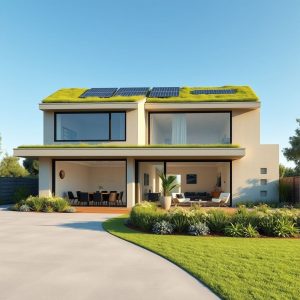
Eco-Friendly Custom Homes Tennyson: Build Sustainably & Affordably
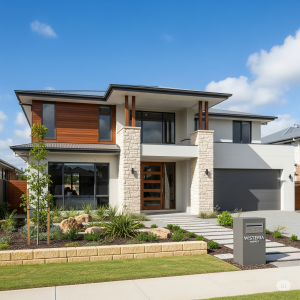
Family Builders: Crafting Homes with Unparalleled Dedication
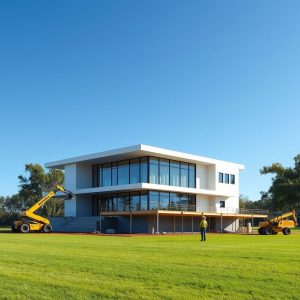
Choosing a Custom Home Builder in Barellan Point
Frequently asked questions
Does a custom home builder in Flagstone need a special licence to build there?
Any builder constructing a new home in Queensland, including in Flagstone estate, must hold a current QBCC (Queensland Building and Construction Commission) builder's licence. You can verify any builder's licence and check their complaint history through the QBCC public register before signing a contract.
What is the difference between a custom builder and a volume builder in Flagstone?
A volume builder constructs homes from a fixed catalogue of designs with limited modifications, which allows them to build at scale but reduces personalisation. A custom builder designs each home specifically around the client's site, lifestyle, and requirements, giving you control over floor plan, materials, orientation, and finishes from the ground up.
How do estate covenants in Flagstone affect my home design?
Flagstone is a master-planned estate with developer guidelines that may cover external materials, colours, fence styles, and setbacks beyond standard Logan City Council requirements. A builder experienced in the estate will incorporate these guidelines into the design process from the start, avoiding costly redesigns or delays at the approval stage.
What warranty does a new custom home in Queensland come with?
Queensland law requires that new residential construction above the regulated value threshold is covered by Queensland Home Warranty Insurance. This provides coverage for structural defects for six years and non-structural defects for one year after practical completion. Confirm this insurance is in place before your build begins.
How long does it take to build a custom home in the Greater Brisbane area?
Build timeframes depend on design complexity, site conditions, council approval timing, and trade availability. A custom home in Greater Brisbane typically takes several months from slab pour to practical completion once approvals are in place. Your builder should provide a detailed programme at the project start and keep you updated throughout.