
Knowing what to look for when choosing a custom home builder in Deebing Heights can save you years of stress and tens of thousands of dollars in avoidable mistakes. This suburb in Ipswich’s south-west is growing fast, with new land estates attracting families who want a home designed around how they actually live — not a spec home that almost fits. The builder you choose will be your most important decision in the entire process, and it’s worth taking the time to get it right before you sign anything.
Verify Licensing, Insurance, and Industry Standing
In Queensland, every builder constructing a new home must hold a current QBCC (Queensland Building and Construction Commission) licence. This is non-negotiable — an unlicensed builder cannot legally enter into a residential contract with you, and if something goes wrong, you have no pathway to statutory warranty protection.
What to Check Before You Meet a Builder
- Search the QBCC licence register online and confirm the licence is active and covers residential construction at the appropriate category level.
- Ask for their public liability and home warranty insurance details — a reputable builder will produce these without hesitation.
- Check how long they’ve been operating. A builder active since 2006, like Wister Homes Custom Builder, brings nearly two decades of completed projects and accumulated site knowledge — that’s not something a newer company can replicate.
- Look them up on the QBCC complaints register to see if there are unresolved disputes or disciplinary actions on record.
Queensland’s QBCC home warranty scheme covers defects for six years after completion for structural defects and one year for non-structural defects. Your builder must be licenced and registered for you to access this protection — so verifying this before signing is essential, not optional.
Assess Their Genuine Custom Design Capability
There’s a significant difference between a builder who calls themselves a custom builder and one who actually designs homes from scratch around your brief. Many volume builders offer a handful of base plans with superficial modifications dressed up as customisation. True custom design means starting with your block, your lifestyle, your priorities — and working outward from there.
Questions to Ask About the Design Process
- Do they work with an in-house designer or a network of architects and drafters, and will you have ongoing input at each stage?
- Can they show you homes they’ve built that are genuinely different from one another — not the same floor plan in three colours?
- How do they handle site-specific constraints like slope, orientation, easements, or Deebing Heights estate covenants?
- Will the design be optimised for Queensland’s subtropical climate — roof pitch, eave depth, cross-ventilation, and shading?
Why This Matters on Your Block
Deebing Heights and surrounding Ipswich growth corridors often feature lots with varying orientations and setback requirements specific to individual estates. A builder who takes a design-first approach will interrogate your block’s constraints before drawing a single line. One who skips this step tends to produce homes that fight their site rather than work with it — and that costs you in liveability and energy bills for as long as you own the property.
Understand Their On-Site Process and Project Management
A custom home build in Queensland follows a clear sequence governed by council approvals, frame inspections, and practical completion sign-offs. Understanding what your builder’s process looks like — and how they communicate with you through it — is one of the clearest indicators of how the experience will actually feel.
The Typical Stages of a Custom New Home Build
- Pre-construction: Design finalisation, engineering, soil testing, and Development Application or building approval lodgement. This phase can take weeks to months depending on council timeframes and design complexity.
- Base stage: Site preparation, slab formation, and concrete pour. A mandatory QBCC inspection occurs here before the frame goes up.
- Frame stage: Timber or steel frame erected and inspected. This is when the home’s shape becomes visible for the first time.
- Lock-up: Roof, external walls, windows, and doors installed. The home is now weathertight.
- Fit-out: Internal linings, cabinetry, plumbing, electrical, tiling, and painting completed in sequence.
- Practical completion: Final inspection, defect list compiled and addressed, keys handed over.
What Good Communication Looks Like
Your builder should give you a clear project schedule at the start, a dedicated point of contact throughout, and regular updates at each stage milestone. You should never be in a position where you don’t know what’s happening on site or when the next inspection is due. Ask prospective builders directly: how do you keep clients informed, and what’s your process when a subcontractor causes a delay? Their answer will tell you a lot.
Look Closely at Their References and Completed Work
Any builder can show you a polished brochure or a curated gallery on their website. What matters more is what previous clients say about the experience from contract signing through to living in the finished home — especially whether the builder stood behind their work when issues arose post-handover.
How to Evaluate References Properly
- Ask for references from clients whose builds are at least twelve months past completion, so they’ve had time to identify any post-move-in issues and see how the builder responded.
- Ask referees specifically about communication, budget management, and whether the home was delivered within the agreed timeframe.
- If possible, visit a completed home. Fit and finish quality — the straightness of skirtings, the consistency of grout lines, the operation of windows and doors — is visible to anyone who knows what to look for.
- Search for the builder’s name alongside suburb names in local Facebook community groups, where unfiltered feedback tends to surface.
Evaluate Transparency in Contracts and Scope
In Queensland, residential building contracts are regulated under the Queensland Building and Construction Commission Act and the Domestic Building Contracts Act. For contracts above a certain threshold, a fixed-price contract with a clear schedule of inclusions is legally required. But beyond legal minimums, the quality of a builder’s contract documentation tells you how professionally they operate.
Red Flags to Watch For
- Vague or undefined inclusions — if a contract says “kitchen cabinetry” without specifying brand, finish level, or configuration, you have no protection if the outcome doesn’t match your expectations.
- Provisional sums used excessively for items that should be fully costed at contract — this is how some builders present an attractive headline number that grows substantially once the build begins.
- No clear variation process — changes during construction are sometimes unavoidable, but every variation should be documented in writing and signed off before work proceeds.
- Pressure to sign quickly without time to have the contract reviewed independently.
A reputable custom builder will welcome you having the contract reviewed by a solicitor or building consultant before you sign. That openness is itself a good sign.
Ask About Their Approach to Budget and Lifestyle Brief
The whole point of building a custom home rather than buying off the shelf is that the result is shaped around how your household actually lives. A good custom builder spends time early on understanding your brief — how many people are in the family, how you use indoor and outdoor space, whether you work from home, what your storage needs are, and where you’re willing to invest more versus where you’re happy to simplify.
Pricing on a custom home depends on the scope, specification level, block conditions, and current trades market — contact Wister Homes Custom Builder directly to discuss what your brief could look like and get an accurate picture of what’s achievable for your situation. What matters is finding a builder who can have an honest conversation about scope and help you make informed decisions rather than overselling at the start and adjusting later.
Wister Homes Custom Builder has been designing and building quality custom homes across Greater Brisbane since 2006, with a genuine design-first approach that starts with the owners’ lifestyle and works outward. If you’re building in Deebing Heights or the surrounding Ipswich growth area and want to talk through your plans, get in touch with the team for a no-pressure conversation about your project.
Related posts:
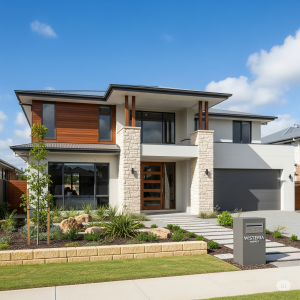
Affordable New Home Builders: Competing on Value, Not Just Price
Understanding the Stability of Established Family-Building Companies
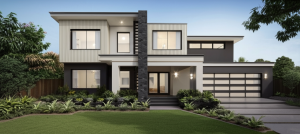
custom home project pricing Brisbane
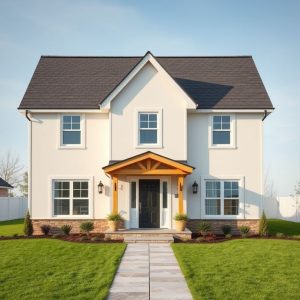
new home builders Oxenford
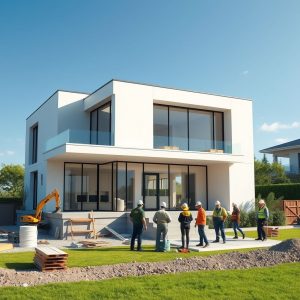
Top Signs of a Reliable Home Builder

custom home builder Brisbane
custom home inspection process
Affordable Custom Home Builder Brisbane
Frequently asked questions
Does a custom home builder in Queensland need to be licensed?
Yes. In Queensland, any builder constructing a new home must hold a current QBCC (Queensland Building and Construction Commission) licence at the appropriate category level. You can verify a builder's licence status on the QBCC public register before signing any contract.
What's the difference between a custom home builder and a volume builder?
A volume builder works from a fixed catalogue of floor plans with limited modifications, allowing them to build at scale. A true custom builder designs your home from scratch around your specific block, budget, and lifestyle — the result is a home that genuinely reflects your brief rather than a pre-existing template with minor variations.
How long does it take to build a custom home in the Deebing Heights area?
Build timelines vary based on design complexity, council approval timeframes, and subcontractor availability. As a general guide, a custom new home in South-East Queensland commonly takes between twelve and twenty-four months from design sign-off through to practical completion, though your builder should give you a project schedule specific to your job.
What warranties apply to a new custom-built home in Queensland?
Under Queensland's QBCC home warranty scheme, structural defects are covered for six years after completion and non-structural defects for one year. This coverage applies when your builder holds a valid QBCC licence and is registered for the home warranty insurance scheme — always confirm this before entering a contract.
Can Wister Homes Custom Builder help with both design and construction?
Yes. Wister Homes Custom Builder manages the full process from custom design through to construction and handover, working with you to develop a home suited to your lifestyle and the specific characteristics of your block. They have been building custom-designed new homes across Greater Brisbane since 2006.