
Knowing what to look for when choosing a custom home builder in Waraba can be the difference between a smooth, rewarding build and a costly, stressful one. The Moreton Bay region is growing fast, and with more land releases and lifestyle blocks becoming available near Waraba, more families are exploring the custom build path rather than buying off-the-plan. The challenge is that not all builders who say “custom” genuinely mean it — and understanding how to tell the difference before you sign anything is essential.
Verify Licensing and Insurance Before Anything Else
In Queensland, any builder constructing a new home must hold a current QBCC (Queensland Building and Construction Commission) licence. This isn’t just a formality — your statutory home warranty insurance, which protects you if the builder becomes insolvent or fails to complete the work, depends on it. Before you agree to meet with any builder, ask for their QBCC licence number and verify it on the QBCC public register. You can do this in minutes.
Also check how long they have held that licence. A builder who has been licensed since 2006, like Wister Homes Custom Builder, has navigated multiple market cycles, changed building codes, and a range of client briefs. That history matters when you are trusting someone with what is likely your largest single investment.
What QBCC Licensing Actually Covers
Your builder’s QBCC licence category determines what they are legally permitted to build. For a new custom home, they need a Builder — Open licence, which covers all residential construction. Confirm this, not just that they hold any licence. Also ask whether their subcontractors — electricians, plumbers, framers — are separately licensed in their trades. A reputable custom builder manages this on your behalf and won’t hesitate to confirm it.
Understand What “Custom Design” Actually Means
The term custom home gets used loosely in the Australian building industry. Some volume builders offer a handful of base plans with limited façade changes and call that custom. True custom design means starting from your site, your brief, your lifestyle, and your block orientation — and designing a home around those factors from scratch or in close collaboration with an architect or building designer.
When you meet with a builder, ask specific questions: Do they work with your own designer, or do they have an in-house design process? How many revisions are included before plans are finalised? How do they handle irregular blocks, slope, or setback requirements? A builder who is genuinely experienced in custom design will have clear, confident answers because they have solved these problems on real projects.
Design Consultation: What to Expect
A good custom builder will spend real time in your initial consultation understanding how you live — not just how many bedrooms you want. They will ask about your morning routine, how you use outdoor space, whether you work from home, and how the home needs to function over the next twenty years. That level of brief-taking is what separates a custom builder from one who is simply modifying a template.
Local Knowledge Matters More Than You Think
Waraba and the surrounding Moreton Bay area have specific site conditions that an experienced local builder will already understand. Soil classifications, local council planning requirements, bushfire attack level (BAL) ratings where applicable, and stormwater management all affect your build design and budget. A builder who has only worked in inner Brisbane or on the Sunshine Coast may not carry that knowledge into your brief from day one.
What Happens On Site During a Custom Build
Understanding the actual construction sequence helps you ask better questions and set realistic expectations. Here is what a professional custom home builder manages from the moment your contract is signed.
Pre-Construction Phase
Before a slab is poured, your builder handles council development approval (DA) or certifier approval, engineering reports, soil tests, and service connections. This phase can take several weeks to a few months depending on your local council’s assessment timelines and the complexity of the design. A builder who rushes through this phase or skips steps creates problems later.
Frame and Lock-Up
Once approvals are in place, the slab is laid, the frame goes up, and the home is taken to lock-up — windows, doors, and roof cladding installed. Progress inspections happen at set stages, and your builder should communicate clearly at each milestone. In Queensland, mandatory stage inspections are required by QBCC regulations, and your builder coordinates these with a private building certifier.
Fit-Out and Handover
The fit-out stage covers internal linings, cabinetry, tiling, electrical fit-off, plumbing fixtures, painting, and flooring. This is where the choices you made during design become real. A well-run custom builder maintains a detailed selections schedule and keeps you informed when lead times on materials affect the program. At practical completion, a formal handover inspection takes place and your statutory warranty period begins — in Queensland, this includes a six-year structural warranty under QBCC Home Warranty Insurance.
Red Flags to Watch For When Comparing Builders
The building industry has a share of operators who look professional in a brochure but create problems on site. Here are the clearest warning signs to watch for during your research and early conversations.
- Vague or verbal contracts: Every detail of your build — inclusions, timeline, payment schedule, variation process — should be in writing before you pay a deposit. Queensland law requires a written contract for residential builds over a certain value.
- No completed homes to visit or view: A legitimate custom builder will have completed projects they are willing to show you, either in person or through detailed photo documentation. If they cannot demonstrate finished work, treat that as a serious concern.
- Pressure to sign quickly: A builder who pushes you to commit before you have asked your questions and checked their references is not operating in your interest.
- Unclear variation process: Variations — changes to the design or inclusions after contract signing — are a normal part of custom builds. But the process for approving and pricing variations should be explained clearly upfront. Builders who leave this vague often use it to inflate costs later.
- Subcontractors with no oversight: Ask how the builder manages subcontractors. Do they have long-term relationships with their trades, or do they use whoever is available? Consistency in trades leads to better quality and fewer communication breakdowns on site.
Questions Worth Asking Before You Commit
Going into builder meetings with prepared questions gives you far more useful information than a sales presentation alone. Consider asking:
- Can I speak with two or three previous clients and visit their completed homes?
- Who is the site supervisor for my build, and how often are they on site?
- How do you handle delays caused by weather, material shortages, or subcontractor availability?
- What is included in your base specification, and what are considered upgrades?
- How do you manage the design process if I want to make changes before construction begins?
The answers to these questions will tell you a great deal about how organised the builder is, how they communicate, and whether they are set up to deliver a genuinely custom outcome rather than a modified standard product.
If you are planning a new custom home in the Waraba area or anywhere across Greater Brisbane, the team at Wister Homes Custom Builder is ready to walk you through the full design and build process. Reach out to discuss your block, your brief, and what a home designed around your lifestyle could look like.
Related posts:
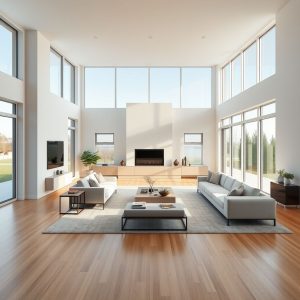
Ethical Home Building: Why Reliability Matters

Affordable Carindale Homes: Wisteria's Family-Sized Solutions
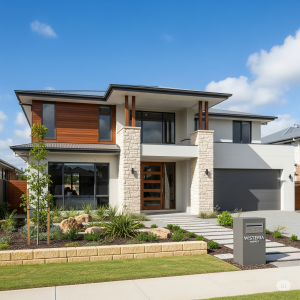
reliable home builders
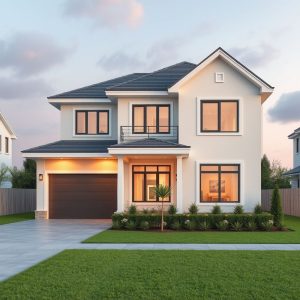
eco-friendly budget homes Augustine Heights
Values-Driven Approach Family Builders
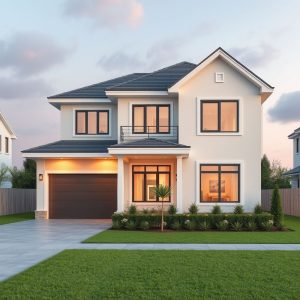
Yeronga Custom Homes: Low-Maintenance Luxury

Building A Home Stages: 8 Steps
Kangaroo Point Custom Homes: Maximise Your Land's Potential
Frequently asked questions
Does a custom home builder in Queensland need to be licensed?
Yes. All builders constructing new homes in Queensland must hold a current QBCC (Queensland Building and Construction Commission) licence. You can verify any builder's licence status and history on the QBCC public register before signing any agreement.
What is the difference between a custom builder and a volume builder?
A volume builder works from a fixed catalogue of home designs with limited modification options. A genuine custom builder designs your home from your block, your brief, and your lifestyle requirements, often working with a building designer or architect to create something specific to you. The result is a home that fits your site and your life rather than a modified template.
How long does it take to build a custom home in Greater Brisbane?
Build timelines vary depending on the size and complexity of the home, the design and approval process, and site conditions. Generally, from signing a contract to handover, a custom home build in the Greater Brisbane region can take anywhere from twelve months to over two years for more complex projects. Your builder should give you a realistic program at the start of the process.
What warranties apply to a new custom home in Queensland?
In Queensland, new home builders must provide QBCC Home Warranty Insurance, which covers structural defects for six years and non-structural defects for a shorter period. This applies to licenced builders and is a legal requirement. Your builder should provide documentation of this insurance before construction begins.
Does Wister Homes Custom Builder do renovations or only new builds?
Wister Homes Custom Builder specialises in custom designed new homes and focuses on new construction rather than standard renovations. For large extensions that are essentially new building work, it is worth discussing your project directly with the team to understand whether it falls within their scope.