
Welcome to the enchanting world of Wisteria Homes! For those who appreciate high-quality, country-style living, building a farmhouse-style home on a sprawling acreage plot in One Mile, Australia is a dream come true. But before you begin your design and construction journey, it’s crucial to understand the building codes, safety requirements, and structural solutions that will ensure your home stands the test of time.
- Section 1: Essential Building Codes for Wisteria Homes in One Mile
- Section 2: Safety Requirements for Farmhouse-Style Homes on Acreage
- Section 3: Structural Solutions for Long-Lasting Wisteria Homes
- Section 4: Designing for Function and Aesthetics
- Section 5: Landscaping and Outdoor Living Spaces
- Section 6: Sustainable and Energy-Efficient Features
- FAQs
- Q: What is the recommended roof pitch for a Wisteria Home in One Mile?
- Q: What materials are best for bushfire-resistant construction in One Mile?
- Q: How can I ensure my Wisteria Home is energy-efficient?
- Q: What are some sustainable landscaping options for my Wisteria Home?
- Q: What design elements can I use to create an open and inviting living space in my Wisteria Home?
- Conclusion:
- Call to Action:
- Wisteria Homes: Building Lasting Relationships in Greenslopes
- Building Your Dream Home in Pullenvale: Why Choose Local New Home Builders for Wisteria Homes
- Country Home Design with Barns and Outbuildings
- Building Your Country Home: Site Planning for Large Rural Lots
- The Advantages of Custom Home Builders: Embracing Flexible Scheduling for Your Dream Home
- Acreage Home Construction: Planning Your Dream Residence
- Build Your Dream Ferny Grove Home: Wants vs Needs on a Budget
- Navigating the Dream: How Wisteria Homes Empowers Families in Cedar Creek to Upgrade with Zoning Com...
Section 1: Essential Building Codes for Wisteria Homes in One Mile
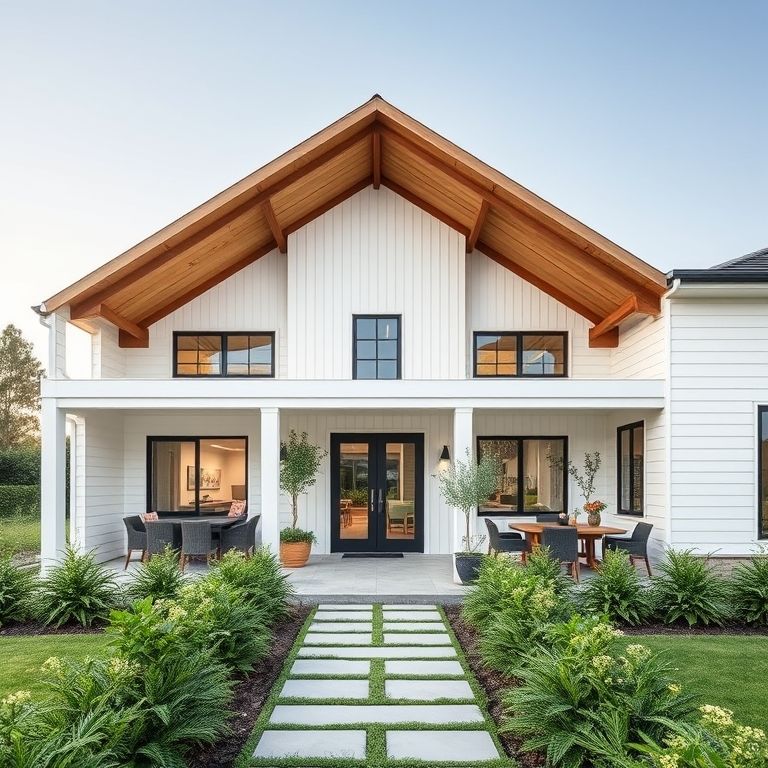
To ensure the safety and structural integrity of your Wisteria Home, it’s essential to adhere to the Australian Building Codes Board (ABCB) and relevant state-specific regulations. These codes cover everything from foundation requirements and roof pitches to energy efficiency and accessibility.
Sub-section 1.1: Foundation Requirements
When building on acreage, foundations must be designed to withstand the unique conditions of the site, including soil type, groundwater levels, and local climate. For Wisteria Homes, a traditional concrete slab or pier-and-beam foundation is usually appropriate.
Sub-section 1.2: Roof Pitches and Materials
In Australia, the typical roof pitch for farmhouse-style homes ranges from 14° to 30°. The chosen roofing material should be durable, weather-resistant, and able to withstand extreme temperatures and UV radiation. Popular options include Colorbond steel, tile, and zinc.
Section 2: Safety Requirements for Farmhouse-Style Homes on Acreage
Ensuring the safety of your family and guests is paramount when building a Wisteria Home. Here are some key safety considerations to keep in mind.
Sub-section 2.1: Bushfire Safety
One Mile is located in a bushfire-prone area, so it’s essential to incorporate bushfire-resistant materials and designs into your home’s construction. This includes non-combustible materials for the roof, walls, and external cladding, as well as strategic placement of windows and eaves to minimise the risk of ember attack.
Sub-section 2.2: Storm and Flood Safety
In addition to bushfire safety, Wisteria Homes should also be designed to withstand severe storms and flooding, which are common in One Mile. This may involve elevating the home above the floodplain, installing waterproof membranes, and reinforcing the foundation and roof structure.
Section 3: Structural Solutions for Long-Lasting Wisteria Homes
To create a sturdy, long-lasting Wisteria Home, consider incorporating the following structural solutions.
Sub-section 3.1: Timber Frames and Engineered Wood Products
Timber frames are a popular choice for farmhouse-style homes, offering a warm, rustic aesthetic. Ensure the timber is sustainably sourced, treated for termite resistance, and structurally sound. Engineered wood products, such as laminated veneer lumber (LVL) and cross-laminated timber (CLT), can also be used for increased strength and stability.
Sub-section 3.2: Insulation and Thermal Efficiency
Proper insulation is essential for creating a comfortable living environment in your Wisteria Home, while also reducing energy costs. Insulate the roof, walls, and floor, using materials such as glass wool, polyester, or cellulose fibre.
Section 4: Designing for Function and Aesthetics
A Wisteria Home should be both functional and beautiful. Here are some design elements to consider.
Sub-section 4.1: Open Floor Plans
Open floor plans create a spacious, inviting atmosphere, ideal for entertaining and family gatherings. Consider combining the kitchen, dining, and living areas to encourage interaction and flow.
Sub-section 4.2: Large Windows and Verandas
Large windows and verandas allow you to enjoy the stunning views of your acreage while also promoting natural ventilation and sunlight. Consider incorporating energy-efficient windows and retractable blinds for added convenience.
Section 5: Landscaping and Outdoor Living Spaces
A well-designed landscape can enhance the beauty and functionality of your Wisteria Home.
Sub-section 5.1: Native Gardens and Water Features
Introduce native flora and fauna to your garden, creating a sustainable and low-maintenance outdoor space. Incorporate water features such as ponds, fountains, or rainwater tanks to encourage wildlife and provide a soothing ambiance.
Sub-section 5.2: Outdoor Kitchens and Entertainment Areas
Create an outdoor living space perfect for entertaining friends and family by designing an outdoor kitchen, barbecue area, or fire pit. Include comfortable seating, lighting, and shade structures for a truly inviting atmosphere.
Section 6: Sustainable and Energy-Efficient Features
Incorporating sustainable and energy-efficient features into your Wisteria Home will not only reduce your environmental impact but also save you money in the long run.
Sub-section 6.1: Solar Panels and Rainwater Tanks
Install solar panels to generate renewable energy, and rainwater tanks to collect and store water for use throughout the home and garden.
Sub-section 6.2: Energy-Efficient Appliances and Lighting
Choose energy-efficient appliances, lighting fixtures, and insulation materials to reduce energy consumption and lower your carbon footprint.
FAQs
Q: What is the recommended roof pitch for a Wisteria Home in One Mile?
A: The typical roof pitch for farmhouse-style homes in One Mile ranges from 14° to 30°.
Q: What materials are best for bushfire-resistant construction in One Mile?
A: Non-combustible materials such as Colorbond steel, tile, and zinc are suitable for bushfire-resistant construction in One Mile.
Q: How can I ensure my Wisteria Home is energy-efficient?
A: To create an energy-efficient Wisteria Home, incorporate insulation, energy-efficient appliances, and lighting, and consider installing solar panels and rainwater tanks.
Q: What are some sustainable landscaping options for my Wisteria Home?
A: Introduce native flora and fauna, create water features, and use drought-resistant plants to create a sustainable and low-maintenance garden.
Q: What design elements can I use to create an open and inviting living space in my Wisteria Home?
A: Consider an open floor plan, large windows, and verandas to create a spacious, inviting atmosphere.
Conclusion:
Building a dreamy Wisteria Home on acreage in One Mile, Australia requires careful consideration of building codes, safety requirements, and structural solutions. By adhering to these guidelines and incorporating functional, aesthetic, and sustainable design elements, you’ll create a stunning, long-lasting farmhouse-style residence that your family and friends will love for generations to come.
Call to Action:
Ready to start building your perfect Wisteria Home? Contact our team of experienced residential designers and builders today to bring your vision to life.
These articles are drafted with AI assistance and should be considered general information not professional advice or information Learn More